Seeds Connection
Since 2002, Seedsman has been a market leader in the field of cannabis and hemp.
We are passionate about the therapeutic properties of the plant and excited by its growing reputation in the health and wellbeing industries; for this reason we launched Seedsman CBD in 2018.
Seedsman intends to bring clarity to the CBD market by offering customers high-grade, high quality, laboratory- tested products from the most reputable brands within the industry.
Every product that we sell has detailed information attached, including a comprehensive breakdown of ingredients, ingestion methods and instructions for use.
At Seedsman CBD, we recognize the importance of quality analysis and endeavor to put all of our products through rigorous testing for potency and purity. Third party certificates of analysis ensure that we only retail goods of the highest standards possible.All products will contain the declared amount of CBD or will be withdrawn from our listings if testing produces different results.
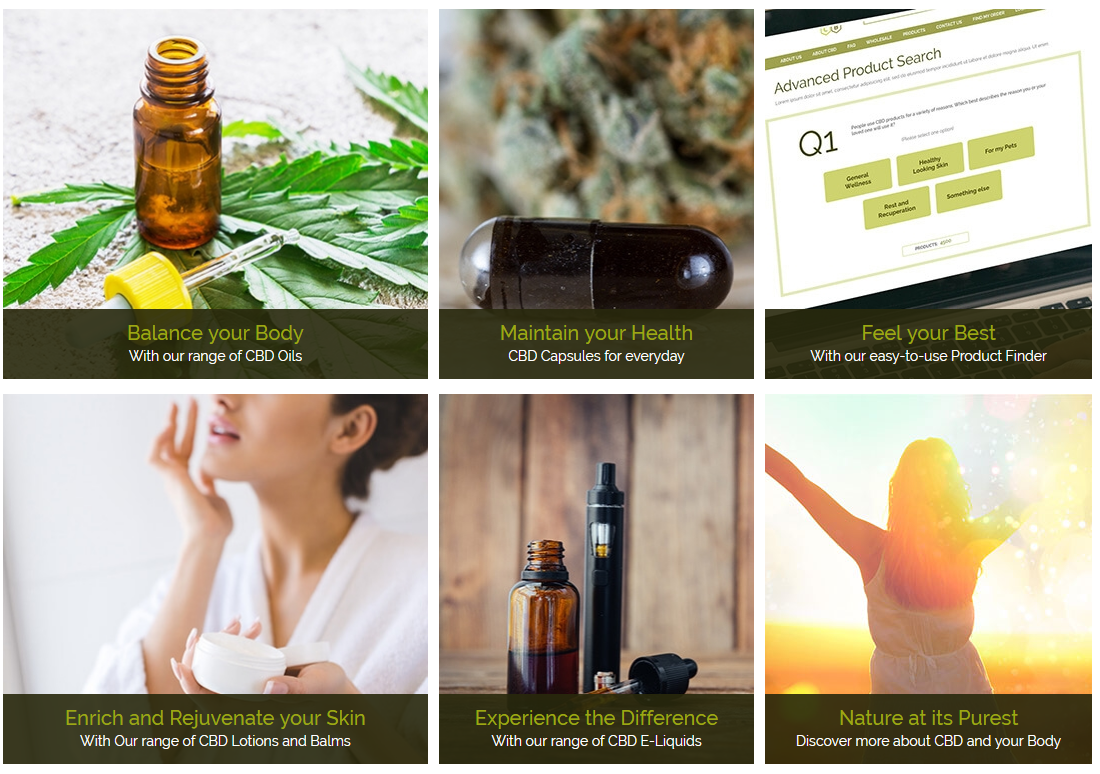
CBD Oil, Capsules, Lotions, Balms and More..
CBD isolate is cannabidiol (aka CBD) in its most concentrated form. It is a 99% pure compound that has been isolated from a purified hemp extract via an extraction process that removes all of the other plant compounds (i.e., cannabinoids, flavonoids, fats and terpenes). The resulting product is an odourless and tasteless crystal or white powder that can be used on its own, mixed with an edible or topical oil, added to food, added to an E-liquid, or combined with other hemp plant compounds to produce a unique hemp product. Pure CBD oils are made from the isolate infused in an edible oil such as hemp, olive or coconut oil and do not contain any of the other hemp compounds unless they have been separately added and are listed as ingredients. The isolate’s lack of smell and taste makes it extremely versatile, which is why it is used in many CBD foods and cosmetics on the market.
How do you make it?
CBD is one of more than a hundred chemical compounds known as cannabinoids found in the hemp and cannabis plant. It is usually extracted from hemp plants rich in CBD and low in THC (0.2-0.3% usually) via supercritical CO2 or ethanol extraction. Whilst other extraction methods are available, these are most commonly used for commercial CBD products.
Supercritical CO2 extraction
Super critical CO2 extraction is a safe and efficient process proven to yield a fresh, clean, aromatic oil or paste. This method puts CO2 under high pressure while maintaining a low temperature, which turns it into a ‘supercritical’ liquid that maintains the properties of both a liquid and a gas. In this state CO2 becomes a highly efficient and ‘tunable’ solvent that can extract specific desired plant compounds from hemp, depending on the pressure and temperature used. The extracted compounds are collected and the pressure is reduced to return the CO2 to its gas state, allowing it to be recycled for further extraction purposes. Because of the low temperatures needed, many of the heat sensitive compounds in the plant are preserved such as terpenes.
How do you use the isolate?
CBD isolate can be placed directly under the tongue or added to a food or any other product that you can either ingest, inhale or apply to your skin.
Some of the popular uses of the isolate include the following:
Vaping – using a vaporizer or e-cigarette (add the isolate to an e-liquid)
Dabbing – requires a dabbing rig
Cooking/Baking – just add the CBD to melted butter or an oil and use for baking and cooking
Add to smoothies
Add to water, juice and coffee and any other beverage
Blend into honey or agave syrup – heat the honey/syrup in a double boiler and blend the CBD until fully dissolved
Create your own CBD oil by adding the required amount of CBD isolate to an edible oil of your choice
Cosmetics or body oils – just add the isolate to your favourite body or facial oil
Advantages of using CBD isolate
The lack of taste and odour makes it appealing to those who dislike the bitter taste of CBD oils and extracts, or the smell of cosmetics made with full spectrum CBD.
The versatility of the isolate enable people to use it in a wide variety of consumables
As vaping offers the highest bioavailability of all modes of ingestion, vaping CBD crystals provide the most cost efficient and effective way of consuming CBD
For anybody who absolutely cannot fail a drug test, such as military service members, police officers, emergency first responders, and pilots, CBD isolates maybe the safest way of consuming CBD because they contain no trace of THC.
Disadvantages
CBD isolate is not a full spectrum CBD product and does not have the purported advantages of the ‘entourage effect’, a term used to denote the perceived synergistic interaction of hemp compounds.
Delivery Service
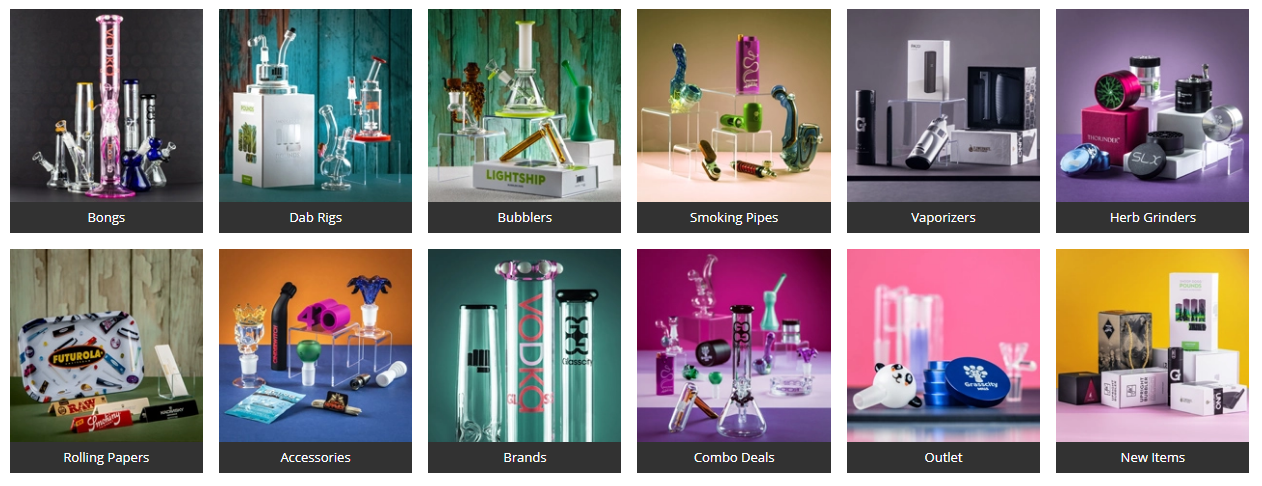
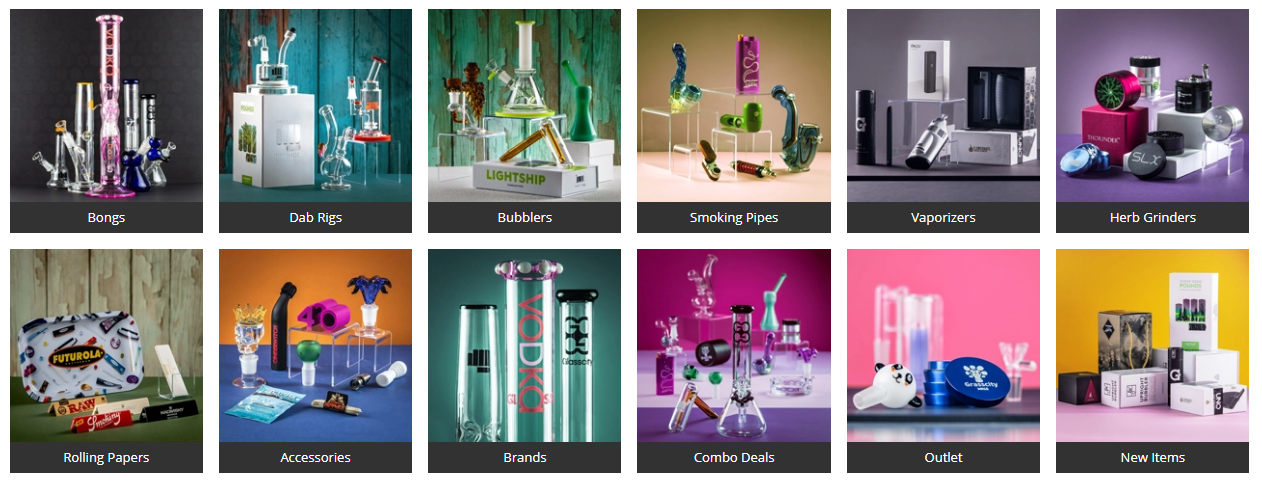
Bongs, Dab Rigs, Bubblers, Smoking Pipes, Vaporizer, Grinders & More
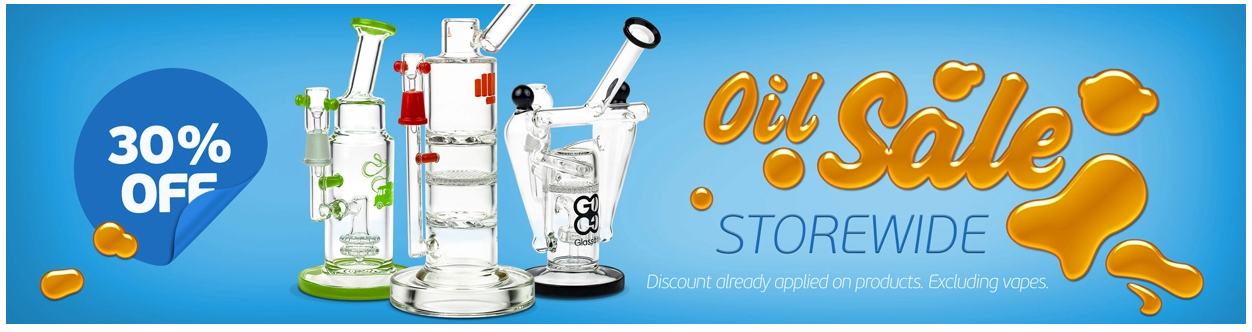
Launched in 2000, Grasscity takes great pride in being the first online headshop in the world. Our goal is to offer the best service and the widest range of smoking accessories at the lowest price. At Grasscity smoke shop we have a great passion for the business and we strive to provide you with the best new bongs, bubblers, smoking pipes and vape pens available today.
https://bit.ly/2LmFsC2
CBD for Pets
When a child is sick and conventional medicine isn’t helping, parents understandably often turn to alternative treatments. Recently, that includes cannabidiol, aka CBD, which is a cannabis compound found in marijuana and hemp that’s being touted as a remedy for everything from painand arthritis to seizures and sleep problems. Unlike the cannabis plant’s other well-known compound, THC (tetrahydrocannabinol), CBD does not get users high, it’s nonaddictive, and it has a low risk of side effects—which makes it seem like an appealing option for children.
While CBD is being used widely by adults, the best evidence for it comes from studies focusing on children with certain kinds of epilepsy. And increasingly, parents are giving CBD to their children to manage a range of other conditions, such as autism and anxiety.
“CBD has become a very popular over-the-counter type of treatment that parents get on their own and give their children, and some say they see a big improvement,” says Doris Trauner, M.D., distinguished professor of neurosciences and pediatrics at the University of California San Diego School of Medicine and a physician at San Diego’s Rady Children’s Hospital. “Every other patient I see is asking about it.”
But she cautions that for many health problems the research is still in its infancy. And while CBD doesn’t pose many clear risks, “it’s also not totally benign,” says Trauner, who is launching a clinical study examining the benefits and risks of CBD on children with autism. “People tend to think that because it’s natural and plant-based that it’s safe,” she says. But CBD can cause side effects, such as diarrhea, changes in appetite, fatigue, and interactions with some medications.
In addition, CBD products sold online and in retail stores are mostly unregulated, making it difficult to know whether the tinctures, balms, gelcaps, and gummies available contain what the label claims.
Still, many experts are hopeful about CBD’s potential. Though much research has been in animals, three recent randomized placebo-controlled double-blind trials in humans (the gold standard for scientific studies), found that a CBD-based drug called Epidiolex was effective in reducing seizures in people with Dravet syndromeand Lennox-Gastaut syndrome, two rare but devastating forms of epilepsy. The landmark studiesled the Food and Drug Administration to approve Epidiolex in June 2018, making it the first (and only) prescription CBD-based medication.
The emergence of Epidiolex has helped legitimize CBD, but using it (and other cannabinoid-based products) to manage childhood conditions remains controversial and is largely uncharted territory. Here’s what you need to know if you are thinking about using CBD for your child.
CBD for Seizures
What parents say: Adam Adache, of Fort Lauderdale, Fla., says that Epidiolex has been life-changing for his daughter Maya. Now 11 years old, she began having seizures as a baby and was later diagnosed with Dravet syndrome. For most of her life, she endured multiple seizures each day, and none of the medications she’d been given provided long-term help. “Some were scarier than others, but they were all scary,” Adache says.
On Epidiolex, Maya has gone from having up to 20 seizures a day to having only about one seizure every few weeks or month. “It’s been amazing,” Adache says. “Occasionally we’ll see the small partial seizures, but they’re very few and far between . . . it was a dramatic change, night and day.”
CBD for Autism
What parents say: Valerie Hoback, of Conestoga, Penn., says she tried a few brands of CBD before finding one—HempWorx CBD—that helped her 11-year-old son Wyatt, who has a mild form or autism. Since he started taking it in June 2018, Hoback says, Wyatt no longer experiences the “head explosions” or the “screaming in his brain,” as he used to describe the way he felt. Hoback emphasizes that CBD has not cured Wyatt’s autism, but it has helped him “to move forward with school, therapy, and life at home,” she says.
What research says: Animal studies suggest that CBD may affect autistic behaviors, and some scientists are beginning to investigate whether it has the same effect in humans. For instance, Trauner, in San Diego, will soon launch a first-of-its kind double-blind placebo-controlled study examining the effect of a synthetic form of CBD—one created in a lab, not extracted from a plant—on children with severe autism. The research, Trauner says, is to see whether the drug “will improve the more negative symptoms associated with severe autism, such as aggressive behavior, self-injurious behavior, persistent repetitive behaviors, and hyperactivity.”
Several prescription drugs offer some help for people with autism, but they can have serious side effects. “If we can find something that doesn’t have those side effects and has a good safety profile that works, it could make a huge difference,” Trauner says. “It could allow these children to reach their potential.”
Devinsky is also hopeful that CBD may prove to be effective in treating autism, in part because of parallels between that condition and epilepsy. “Some genes that cause autism also cause epilepsy, and some of the physiologic changes in nerve cells in autism are also similar to those in epilepsy,” Devinsky says. “So it’s not a shock that we might get some benefit from drugs that might work on both disorders.”
CBD for ADHD
What parents say: Last October, Lindsey Elliott started giving her 11-year-old son Tyler about 15 mg of a CBD oil made by a company called Elixinol to see whether it would help his attention deficit hyperactivity disorder (ADHD). For years, Tyler’s inability to focus made it hard for him to pay attention in school and keep up with schoolwork. But after trying CBD, “Tyler has improved leaps and bounds,” Elliott says. “Both he and his teacher have noticed a big difference. Tyler feels like he can concentrate more, and he feels more part of the team because he’s not sitting there lost.”
But not all parents have had the same experience. This past summer, Jaime Cammack of Middlebury, Vt., bought a CBD product for her elementary-school-age son, who has ADHD. Fellow parents had mentioned that the compound had helped their son’s ADHD, and Cammack was seeking an alternative to prescription drugs. She chose organic gummies made by Upstate Elevator Supply and gave her son one 10-mg gummy three times a day from July through September. “I went into it hopeful that we’d found a more natural way to knock the edge off of [his] highs and lows, but we found there was very little difference,” Cammack says.
She decided to stop using the CBD, given that it was expensive and provided minimal help, and instead started her son on medication. “The prescription we are currently using is much more effective at enabling our son to curb his impulses and focus,” Cammack says. “Instead of taking 2 hours to do a single math worksheet, it takes roughly 10 minutes, and that is a big win for our daily routine.”
What research says: There’s not much research on CBD and ADHD directly, but there’s growing evidence that CBD can ease anxiety, a problem that sometimes accompanies ADHD, Devinsky says. Scott Shannon, M.D., assistant clinical professor of psychiatry at the University of Colorado School of Medicine, and author of “Mental Health for the Whole Child” (W.W. Norton, 2013), agrees. He says that while he does not routinely recommend CBD for ADHD, “Kids that have an anxious variety of ADHD may get some benefit.”
CBD for Pain
What parents say: Hoback, in Pennsylvania, says that CBD has not only helped manage her son Wyatt’s autistic behaviors but also eased her 15-year-old daughter Emma’s migraines, which she has suffered from since she was 3 years old. “She is on a prescription medication for the migraines, but it will only help if she is able to catch them in time,” Hoback says. “If not, she’s in terrible pain and has vomiting. So we tried rubbing the CBD cream on her head when the migraines get bad. It takes her head pain away in about 20 minutes. It’s a bit unbelievable.”
What research says: There have been no clinical human trials evaluating CBD and migraines specifically. But research suggests it may treat pain(possibly including migraine pain) by interacting with receptors throughout the body, through pathways called the endocannabinoid system. The receptors may affect the pain messages that cells send to each other. Other research shows that CBD can fight inflammation, which may also relieve pain.
CBD Caveats and Risks to Consider
Talk with your child’s doctor. If you’re considering CBD for your child, let your pediatrician know so that he or she can manage your child’s overall care, monitor possible side effects, and help you avoid medication interactions. “It’s hard to find physicians at this point who are experienced and comfortable in this area, so that’s going to be a challenge,” Shannon says. “But I think that’s a good goal, if they can find a professional who can guide them with this.”
Watch for side effects. Overall, research suggests that CBD has few side effects, especially compared with the powerful prescription medications sometimes used to treat serious childhood conditions, Shannon says. In the Epidiolex trials, for instance, the side effects were minor, including problems such as liver function abnormalities, lethargy, decreased appetite, and diarrhea, (especially at higher doses), but the medication has “very good safety data,” Devinsky says.
Still, little is known about the risks of taking CBD long-term, so it should be used cautiously, especially in children. And it can interact with several medications, so be extra-careful if your child regularly takes any over-the-counter or prescription drugs. (See CR’s tips on how to try CBD safely.)
Look for a reputable product. CBD products sold online and at many retail stores aren’t subject to rigorous testing, and some have questionable quality. A 2017 study in the Journal of the American Medical Association that evaluated CBD products bought online found that 26 percent of them contained less CBD than what was listed on the label.
“It is a bit ‘buyer beware,’” says Bonni Goldstein, M.D., medical director of Canna-Centers, a medical practice based in California. So look for a company that can provide third-party testing and a Certificate of Analysis, or COA. These results should indicate how much CBD (and THC) the product contains, as well as how the product did in tests checking for contaminants. “Anybody who says, ‘we don’t have test results,’ move on” and find another company, Goldstein says.
If your pediatrician can’t advise you on CBD products, check out Realm of Caring, an independent nonprofit that conducts research on cannabinoids and offers education services. (Read more on how to shop for CBD.)
Start low and slow. It can take time to figure out an appropriate dose of CBD. Goldstein, who has treated many children with CBD (often in combination with THC) for conditions such as autism and epilepsy, says that “there’s no one size fits all,” and it takes trial and error to find the right product and dosage for each child. “I prepare parents that it will likely take us six to 12 months to see what will work,” Goldstein says. A good rule of thumb: Start at a low dose and increase gradually, which will guard against side effects.
Store CBD safely. Just as you would with any other medication, remember to store CBD products out of reach of children, especially if they are gummies and could be mistaken for candy. Though taking large amounts of CBD may not be lethal, it could cause stomach upset, among other problems. Also, if the product is mislabeled and contains more THC than listed (hemp-derived CBD products may contain up to 0.3 percent THC), it could be intoxicating.
Editor’s Note: Photo of Maya Adache courtesy of the Adache Family
 PointOfView